How Miami Car Shippers Help Vehicle Owners Plan Smooth and Stress-Free Auto Transportation
Moving a vehicle from one location to another can involve much more than simply arranging transportation. Vehicle owners need to consider pickup schedules, delivery locations, vehicle preparation, transportation methods, documentation, and changing road conditions. Miami car shippers can help organize these details so the transportation process is easier to understand and manage.
Whether a car is being relocated across Florida or transported to another state, having a structured plan can reduce unnecessary complications. Understanding how the process works allows vehicle owners to prepare properly and establish realistic expectations before the vehicle begins its journey.
Understanding the Vehicle Shipping Process
Auto transportation generally involves several stages, including booking, pickup coordination, vehicle inspection, loading, transportation, delivery, and a final inspection. Each stage has its own requirements, so planning ahead can help prevent avoidable delays.
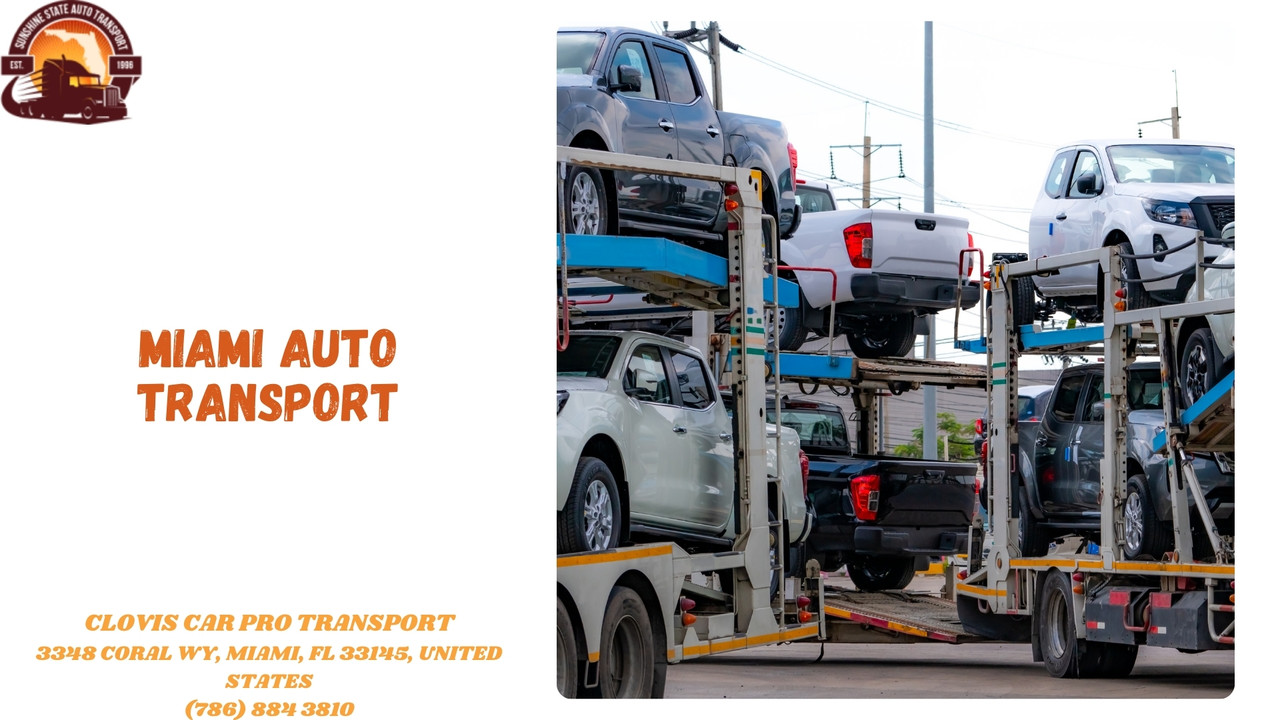
Miami car shippers can assist vehicle owners by coordinating important details and explaining what information is needed before transportation begins. A clear understanding of the process also makes it easier to prepare the vehicle and select an appropriate shipping arrangement.
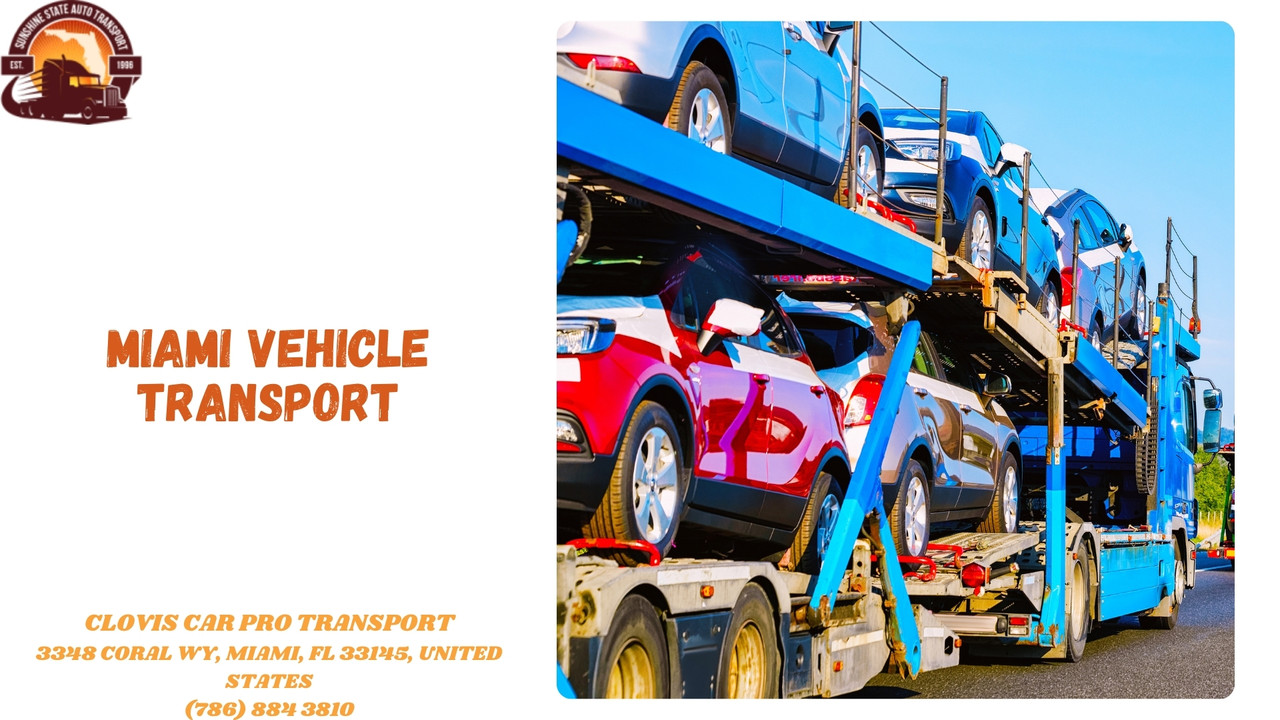
Planning Pickup and Delivery Schedules
Scheduling is one of the most important parts of vehicle transportation. Pickup and delivery windows may depend on the route, distance, traffic, weather, vehicle availability, and other transportation conditions.
Vehicle owners should provide accurate pickup and destination information when arranging transportation. Clear details about addresses, access conditions, preferred dates, and contact information can help create a more organized schedule.
Choosing the Right Transportation Method
Different vehicles and shipping situations may require different transportation options. Open transport is commonly used for standard vehicle shipping, while enclosed transportation can offer additional protection for specialty, luxury, classic, or highly valuable vehicles.
The appropriate method depends on the vehicle, route, budget, timing, and desired level of protection. Understanding these differences helps owners select an option that fits their transportation requirements instead of making a decision based only on price.
Preparing the Vehicle Before Pickup
Proper vehicle preparation can make the pickup process more efficient. Owners should remove personal belongings and unnecessary items from the vehicle, particularly anything that could move around during transportation.
It is also useful to check the vehicle's general condition before pickup. Tire pressure, fluid levels, battery condition, and fuel level should be addressed according to the transportation provider's instructions. Any existing damage should be documented before the vehicle is loaded.
Documenting the Vehicle's Condition
Condition documentation is an important part of responsible vehicle shipping. Before transportation begins, the vehicle can be inspected and existing scratches, dents, chips, or other visible conditions can be recorded.
Taking clear photographs from different angles can provide an additional record of the vehicle's condition before shipping. Keeping this information available until delivery allows the owner to compare the vehicle's condition when it reaches its destination.
Coordinating Pickup Access
Pickup locations in busy areas can present practical challenges. Narrow residential streets, parking restrictions, apartment communities, gated properties, construction zones, or heavy traffic may affect where a carrier can safely access the vehicle.
Providing accurate information about the pickup area ahead of time can help transportation providers determine suitable arrangements. If direct access is not possible, a nearby meeting location may be considered.
Managing Long-Distance Vehicle Transportation
Long-distance shipping requires additional planning because vehicles may travel through multiple states and encounter changing traffic, weather, and road conditions. Delivery timing can therefore depend on factors outside the control of the vehicle owner or transportation provider.
Allowing reasonable flexibility in the delivery window can make the experience less stressful. Owners should also keep communication information current so important scheduling updates can be received during transportation.
Using Door-to-Door Transportation
Door-to-door transportation can simplify vehicle shipping by coordinating pickup and delivery as close as practical to the requested locations. This approach can reduce the need for owners to arrange additional transportation for moving the vehicle between terminals.
However, the exact pickup or delivery point may depend on road conditions and carrier accessibility. Discussing location limitations in advance helps establish a practical plan for both sides.
Keeping Communication Organized
Communication plays a major role in a smooth transportation experience. Vehicle owners should maintain accurate phone numbers, email addresses, and destination contact information throughout the shipping process.
Clear communication is especially useful when schedules change. Traffic, weather, mechanical issues, or route conditions can affect estimated arrival times. Staying informed helps owners adjust their plans when necessary.
Planning for Different Types of Vehicles
Cars are not the only vehicles that may require transportation. SUVs, trucks, motorcycles, classic vehicles, luxury cars, and other specialty vehicles can have different handling or protection requirements.
Owners should provide accurate vehicle details when requesting transportation. Information such as vehicle size, condition, modifications, and whether the vehicle is operational can influence loading and transportation arrangements.
Transporting Non-Running Vehicles
A vehicle that cannot start or move under its own power may require additional equipment during loading and unloading. Informing the transportation provider about this condition before pickup is essential.
Advance notice allows the transportation team to plan appropriate equipment and handling procedures. This can help avoid unexpected complications when the carrier arrives at the pickup location.
Preparing for Delivery
Vehicle owners should make sure someone is available to receive the vehicle or that appropriate delivery arrangements have been established. The destination should also be accessible enough for the carrier to safely complete the delivery.
Before accepting the vehicle, owners should inspect its exterior and compare its condition with the documentation created during pickup. Any concerns should be addressed through the appropriate transportation process before completing the delivery paperwork.
Reducing Stress Through Early Planning
Last-minute transportation arrangements can make an already complicated relocation more difficult. Starting the process early gives vehicle owners more time to compare transportation options, gather required information, prepare the vehicle, and coordinate schedules.
Early planning is particularly useful for cross-country relocations, vehicle purchases, seasonal moves, dealership transportation, and situations involving strict arrival dates. A well-organized schedule provides more flexibility if circumstances change.
Understanding Weather and Road Conditions
Weather can influence vehicle transportation schedules. Heavy rain, storms, flooding, strong winds, winter conditions, or other severe weather may affect roads and transportation routes.
Traffic congestion and construction can also change estimated travel times. Building reasonable flexibility into the schedule helps vehicle owners avoid unnecessary frustration when conditions Miami car transport outside their control affect delivery timing.
Keeping Important Records
Owners should retain booking information, vehicle condition records, photographs, transportation details, and relevant communication until the vehicle has been delivered and inspected.
Organized records make it easier to reference important details throughout the process. They can also help clarify questions regarding the vehicle's condition, scheduled transportation, or delivery arrangements.
Making Auto Transportation More Convenient
Professional coordination can remove much of the uncertainty associated with moving a vehicle over long distances. Instead of trying to manage every transportation detail independently, owners can focus on providing accurate information, preparing the vehicle, monitoring communication, and planning for delivery.
Miami car shippers can help structure the transportation process around the owner's needs, whether the vehicle is traveling within Florida or across the country. The combination of scheduling, route coordination, vehicle preparation, documentation, and communication can make transportation more manageable from beginning to end.
Final Thoughts
Successful auto transportation starts with preparation. Choosing a suitable transportation method, arranging realistic pickup and delivery windows, preparing the vehicle, documenting its condition, and maintaining clear communication can all contribute to a smoother experience.
For vehicle owners planning transportation from Miami, understanding these steps makes it easier to approach the process with confidence and realistic expectations. With careful planning and organized coordination, vehicle shipping can become a straightforward part of a relocation, purchase, or long-distance transportation plan.
Contact Us:
Clovis Car Pro Transport
3348 Coral Wy, Miami, FL 33145, United States
(786) 884 3810